

Main Knowledge Areas -Pest Control Information
Urban & Indoors Pests
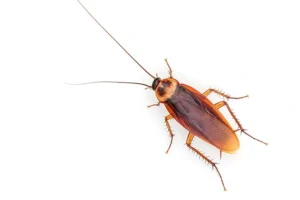
Cockroaches, ants, bed bugs, silverfish, rodents, birds
Urban structures offer ideal conditions for many pests.
This section covers household and building-related pests, focusing on identification, behavior, risks, and professional prevention and control strategies for homes, apartments, and public facilities.
Topics include: infestations, sanitation, exclusion methods, and structural risk prevention.
Explore Urban & Indoor Pests
Agricultural & Outdoor Pests
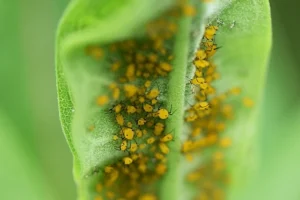 Aphids, thrips, spider mites, leafhoppers, crop moths
Designed from a geoponical and IPM perspective, this section focuses on pests affecting crops, gardens, and ornamental plants.
Content emphasizes:
pest life cycles
damage mechanisms
environmentally responsible control methods
Explore Agricultural & Garden Pests
Stored Product Pests
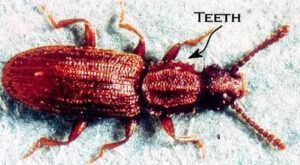 Weevils, grain beetles, moths, mites, Khapra beetle
Stored product pests pose serious threats to food safety, food security, and storage facilities.
This section provides guidance on:
identification and contamination risks
infestation pathways
regulation-compliant control strategies for households, warehouses, and food industries
Explore Stored Product Pests
Wood-Destroying Pests
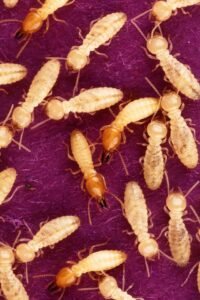 Termites, carpenter ants, powderpost beetles
Wood-destroying pests can cause severe structural and economic damage if not detected early.
Here you’ll find information on:
early warning signs
infestation dynamics
professional prevention and long-term protection strategies
Explore Wood-Destroying Pests
Wildlife & Vertebrate Pests
 Rats, mice, raccoons, bats, birds
Urban and peri-urban wildlife can create health, hygiene, and structural concerns.
This section focuses on:
risk assessment
legal and humane management
exclusion and prevention strategies
Explore Wildlife & Vertebrate Pests
IPM, Prevention & Public Health
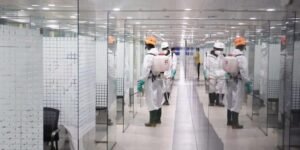 Integrated Pest Management, disinfection, pest ecology, seasonality
A foundational section explaining:
why prevention is critical
how IPM works in real environments
the connection between pest control, public health, and environmental safety
Explore IPM & Prevention
Why AdvancePestX
✔ Science-based, not sensational content
✔ Clear agronomic & entomological identity
✔ Focus on prevention and control, not medical advice
✔ Respect for local laws and international standards
✔ Designed for homeowners, professionals, and public health awareness
Disclaimer
This content is provided for informational purposes only.
Pest control laws and approved chemicals vary by country. For legal safety and effective results, always consult a licensed pest control professional in your local area.
Ensure that:
the technician is properly certified or licensed
only approved products are used
all applications strictly follow the product label
In most regions, including Europe, the UK, and the USA, label compliance is a legal requirement.
Author & Editorial Responsibility
Nasos Iliopoulos
BSc Agronomist & Certified Pest Control Expert
Scientific Director – Advance Services (Athens, Greece)
Licensed Pest Control Business – Ministry of Rural Development & Food (GR)
AdvancePestX is developed and supervised by a professional with field experience, regulatory knowledge, and a strong commitment to public health and environmental responsibility.